If your feet feel unusually cold at night, even under blankets, it may indicate reduced blood flow. One leg or foot may feel colder than the other — an important red flag.
3. Numbness or Tingling Sensations
Many people report pins-and-needles, numbness, or a “dead” feeling in the feet or toes at night. These sensations occur when nerves do not receive enough oxygen-rich blood.
4. Changes in Skin Color
Blocked circulation can cause the skin to appear:
-
Pale or bluish
-
Shiny or thin
-
Darker in patches
These changes may be more visible when lying down or upon waking.
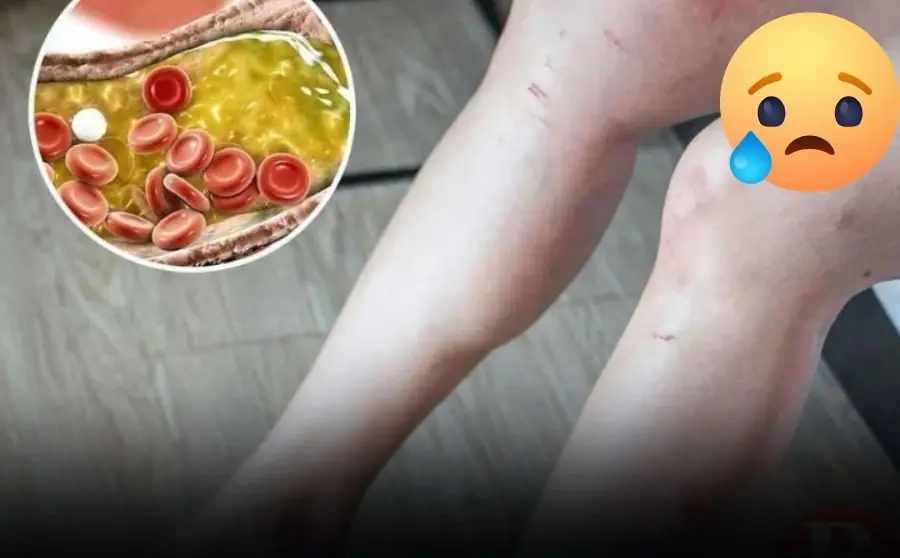
5. Slow-Healing Cuts or Sores
Poor blood flow means wounds heal slowly. Small cuts, cracks, or sores on the feet that take weeks to heal — or do not heal at all — are a serious warning sign.
6. Restless Legs With Pain, Not Just Discomfort
Unlike typical restless leg syndrome, circulation-related restlessness is often accompanied by pain, pressure, or burning, not just an urge to move.
Movement may temporarily relieve symptoms because it increases blood flow.
7. Weak or Absent Pulse in the Feet
Doctors often check pulses on the feet and ankles. A weak or difficult-to-find pulse may indicate significant arterial blockage.
Who Is at Higher Risk?
You may be at higher risk if you:
-
Smoke or used to smoke
-
Have diabetes
-
Have high blood pressure or high cholesterol
-
Are overweight
-
Live a sedentary lifestyle
-
Have a family history of heart disease
PAD is strongly linked to heart attack and stroke risk, making early detection critical.