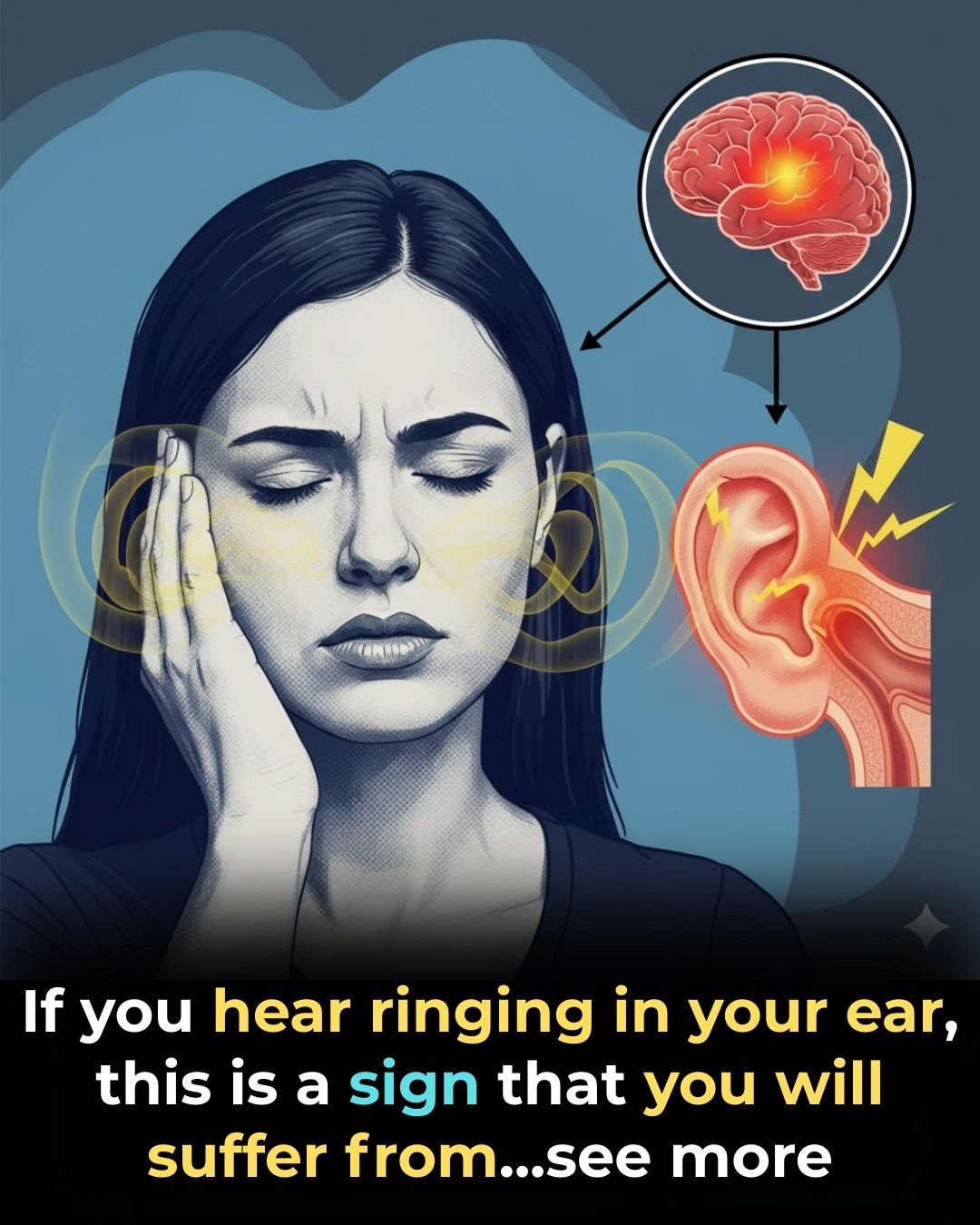
🔊 Ringing in Your Ear? What Tinnitus Really Means and When to See a Doctor

Have you ever noticed a faint hum, buzz, or ringing in your ear — especially when everything around you is silent?
You’re not imagining things.
And you’re definitely not alone.
That strange sound could be tinnitus — a surprisingly common condition where you hear noises in your ears or head even though there’s no external source causing them.
While it can be annoying or even distressing, tinnitus is not a disease itself. Instead, it’s a symptom, often linked to changes in your hearing, exposure to loud sounds, stress, or underlying health issues.
Let’s break down what tinnitus actually is, what might be causing it, when it might be time to seek medical help, and how to manage it — so you can move from worrying to understanding.
Because peace of mind doesn’t come from ignoring the noise.
It comes from understanding where it’s coming from — and knowing when to take action.
🧠 What Is Tinnitus?
Tinnitus is the perception of sound (like ringing, buzzing, hissing, or clicking) in one or both ears, or inside your head — when no external sound is present.
There are two main types of tinnitus:
✅ Subjective Tinnitus
This is the most common type.
Only you can hear the noise.
It’s typically caused by problems in your inner ear, the auditory nerve, or the brain’s sound-processing areas.
Common triggers include:
-
Age-related hearing loss
-
Prolonged exposure to loud noises
-
Earwax buildup
-
Stress or anxiety
✅ Objective Tinnitus
Much rarer — but in these cases, a doctor may be able to hear the sound too using a stethoscope or special equipment.
This type is often linked to:
-
Abnormal blood vessel activity (like pulsatile tinnitus)
-
Middle ear bone conditions
-
Muscle spasms in the ear