Imagine popping your daily pill, expecting it to steady your heart, but instead feeling a subtle fog creep in, like a heavy blanket weighing down your steps. You’ve trusted Metoprolol to manage your blood pressure or heart condition, yet whispers of unease linger—perhaps a sudden chill in your fingers or an unexpected wave of tiredness that steals your energy. What if these aren’t just random quirks, but signals your body is sending? In this exploration, we’ll uncover 10 potential side effects that research suggests may arise, often slipping under the radar in routine check-ups. Picture the relief of understanding these hidden aspects, empowering you to have informed chats with your healthcare provider. But hold on—what could these overlooked effects mean for your daily life?
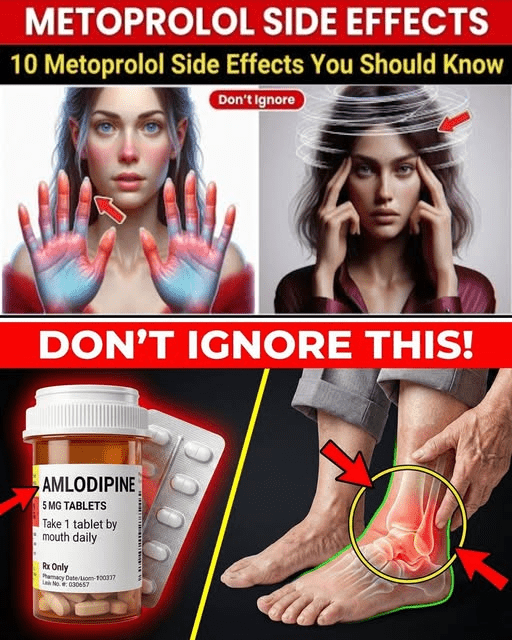
Metoprolol, a common beta-blocker, helps millions control high blood pressure and heart issues. Yet, its impact extends beyond the heart, potentially influencing energy levels and mood in ways that disrupt routines. Studies indicate that while effective, it may lead to experiences that catch users off guard, amplifying frustration when unexplained.
These effects can compound over time, turning simple tasks into challenges. For instance, if fatigue sets in, climbing stairs might feel like scaling a mountain, leaving you questioning your vitality. Why do these arise, and how might they affect your well-being?
Ever wondered if your medication could be quietly shifting your body’s balance? Let’s dive deeper, starting with the ones that might surprise you most.
Side Effect #10: Unusual Fatigue That Drains Your Day
Picture Sarah, a 52-year-old teacher, starting her morning with enthusiasm, only to feel an overwhelming tiredness by noon, as if her coffee had turned to lead in her veins. She noticed her usual jogs becoming sluggish, the crisp air no longer invigorating but exhausting.
Research from sources like Mayo Clinic shows Metoprolol may slow heart rate, potentially leading to fatigue in some users. This beta-blocker action, while helpful for the heart, could reduce oxygen flow, making everyday activities feel laborious.
But could this be more than just tiredness? Imagine reclaiming your energy—what if knowing this prompts a vital doctor visit? Hang on, the next one might hit closer to home.
Side Effect #9: Dizziness That Throws You Off Balance

Think of John, 48, standing up from his desk chair, the room spinning like a carousel, his vision blurring amid the office hum. That momentary whoosh left him gripping the table, heart racing despite the calm.
According to NHS guidelines, Metoprolol might lower blood pressure too much, causing dizziness or lightheadedness, especially during position changes. This orthostatic effect, noted in clinical reviews, could stem from relaxed blood vessels.
You might be thinking, “Isn’t this normal with age?” Yet, it may signal something adjustable. What if simple tweaks ease this? But wait, there’s an effect that chills to the bone.
Side Effect #8: Cold Hands and Feet That Linger
Envision wrapping your fingers around a warm mug, yet feeling an icy numbness persist, as if winter had settled in your extremities alone. For many, this subtle chill disrupts comfort, making cozy evenings less relaxing.
Cleveland Clinic reports suggest Metoprolol may constrict peripheral blood vessels, potentially causing cold hands or feet. This vascular response, backed by StatPearls, could reduce circulation to limbs.
Ever felt that persistent coolness and shrugged it off? It might be worth noting. Imagine warmer days ahead—but the following could slow things down dramatically.